Why This Is the Only Pitch Competition That Pays You $25K to Build Your Brand
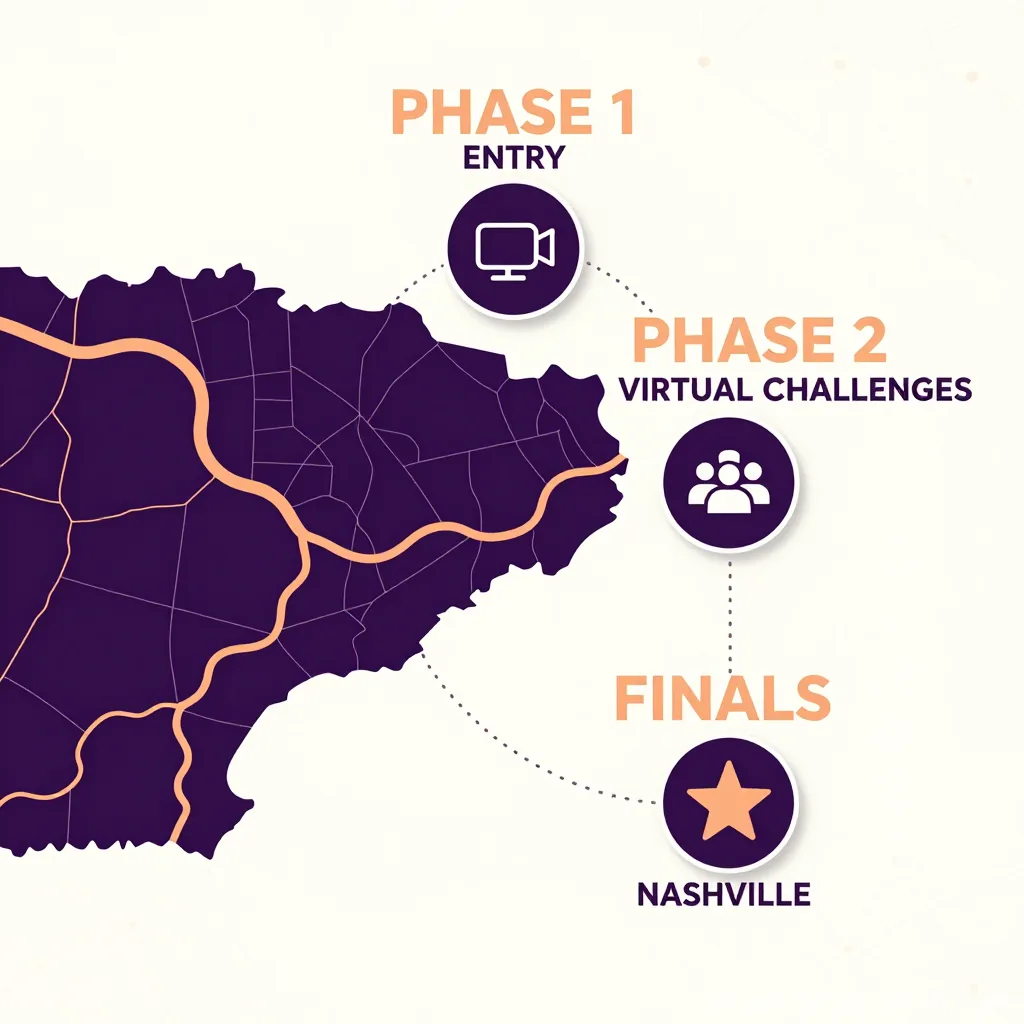
The UPS Store Small Biz Challenge is not relief funding. It is a three-month acceleration tournament designed to turn micro-business owners into national names. You do not just apply. You compete through virtual challenges, public voting, and a live finale in Nashville.
If you're researching small business competitions right now, you've probably already seen the FedEx Small Business Grant Contest. Maybe you've looked at Amber Grant or the LegalZoom monthly drawings. This is a multi-stage competition that combines cash prizes, national media exposure through Inc. magazine, one-on-one mentorship, and a live finals event in Nashville.
That structure alone eliminates it from the "quick cash grant" category. This is for business owners who want visibility as much as funding. If you're uncomfortable with your business being scrutinized publicly or you can't block out time for a multi-phase competition, you'll want to keep looking. But if you're ready to showcase what makes your business work and you can commit to the timeline, this could be more valuable than a simple check in the mail.
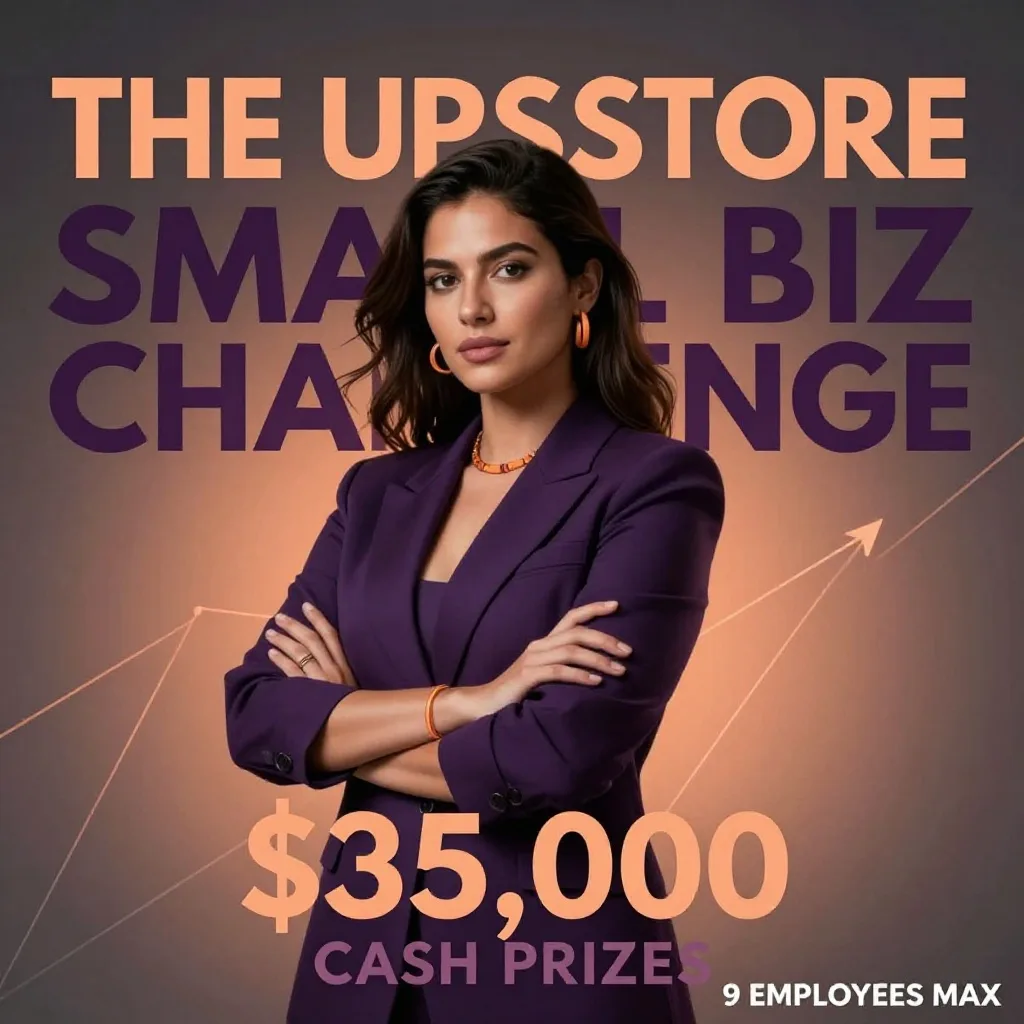
The 2025 winner, Just Call Me Shirley (owned by Sydney Attis and Mikayla Garcia), walked away with $25,000 and an editorial feature in Inc. The two runner-up finalists each received $5,000. Whether that same split applies in 2026 isn't confirmed, but the total pool remains $35,000. What is confirmed: only the top three finalists get prize money. The other six semi-finalists get mentorship and visibility, but no cash.
Own and operate an independent, non-franchised small business
Business maintains 9 or fewer employees (full-time equivalent)
Business operates within the United States
Not a UPS Store franchisee or franchise owner
No purchase necessary to enter or win
Grant Benefits
$35,000
Media Feature: Editorial coverage in Inc. magazine for the winner
National Exposure: Live pitch event in Nashville, Tennessee with national audience
Mentorship: Paired with established entrepreneur mentors during semifinalist phase
Networking: Access to The UPS Store and Inc. Magazine business networks
04
Focus Areas
Small business Pitch CompetitionNon-dilutive FundingNational Business ChallengeEntrepreneur VisibilityMicrobusiness Grant
Use the eligibility checker below to run a fast pass on whether this contest is a fit. The tool maps your business type, headcount, and residency to the contest's hard rules so you can decide the time investment before you start the application.
Eligibility Check
Eligibility for UPS Store Small Biz Challenge 2026
Answer a few guided questions. Your responses are matched to this grant's criteria in real time.
Ready to check your eligibility?
We'll guide you through a short, structured flow and instantly evaluate fit for this opportunity.
Eligible
You Appear Eligible
Based on your answers, you meet the core requirements for this grant.
Recommended Next Step
Protect Your Application Before You Submit
You look eligible — but eligibility alone doesn't win grants. Most rejections happen on the application itself: missed language, wrong framing, weak impact statement. A Grantaura Expert Review takes 24–48 hours and flags every gap before the funder sees it.
✓Expert reviews your draft⏱Results in 24–48 h💰Avg. grant value $12,000+
⚠ Grant committees reject 7 in 10 applications that meet eligibility. One overlooked line can cost you thousands.
🔒 Satisfaction-backed — if our review finds nothing actionable, you pay nothing more.
This Grant Isn’t the Right Fit. Your Best One Might Be Two Clicks Away.
Missing one criterion for UPS Store Small Biz Challenge 2026 doesn’t mean you’re out of options — it means this grant wasn’t designed for your profile. Our expert research team identifies the grants built specifically for businesses like yours, across 500+ active opportunities.
Basic Match
$125
One-time research
A list of 5 grants only
Basic eligibility matching based on industry & location
Standard funding amount range verification
Primary criteria alignment check
Most Popular
Advanced Match
$145
One-time research
A list of 7 grants only
Advanced eligibility matching with business model analysis
Deep competitive advantage assessment
Innovation & impact potential matching
Market fit & growth trajectory alignment
Premium Match
$175
One-time research
A list of 10 grants only
AI-powered deep-match algorithm analysis
Historical success pattern matching
Priority sector & focus area alignment
Advanced sustainability impact matching
Strategic vision & long-term goals alignment
Preparing secure checkout…
✓
Order Confirmed
Your grant research order is placed. Our team will deliver your personalised report within 3–5 business days. Check your email for confirmation.
Auto-advances after each answer. Use Back to revise.
NOTE: After you've applied, you will be judged on your ability to handle real-world business scenarios like staffing, operations, and marketing. Unlike a standard grant where you submit a PDF and wait, this is a multi-phase gauntlet. You start with a statement or video, move to virtual challenges with mentors, and then face a public voting phase. If you make the top three, you are heading to Nashville to pitch live. It is a high-visibility path that filters for entrepreneurs who are as "unstoppable" as they claim.
Competition & Tests
The Small Biz Challenge operates on elimination logic. Nine semifinalists enter virtual challenges covering marketing, staffing, operations, and company culture. After each challenge, the public votes. Three finalists advance to Nashville for live judged presentations.
This structure favors businesses with compelling narratives over those with perfect financials. The judging criteria emphasize unstoppable ownership mentality, business resilience, and community impact. You do not need audited books. You need a story that survives public scrutiny and judge interrogation.
Expert Tip
Focus your video submission on a specific pivot or challenge you overcame. Judges consistently select semifinalists who demonstrate adaptability over those who list revenue growth without context.
Who Should Not Apply?
If you own a franchise location of any brand, you are explicitly excluded. This includes seemingly independent operations that operate under franchise agreements. The rules specify "independent (non-franchised)" with zero ambiguity.
Businesses with ten or more employees cannot compete. The nine-employee cap is rigid. If you are hovering at nine and planning to hire soon, understand that workforce changes during the competition period could jeopardize eligibility.
Finally, if you cannot travel to Nashville in mid-2026 (specific dates announced to finalists only), do not enter. Attendance is mandatory for the three finalists to receive cash prizes. The trip itself is awarded, but restrictions apply and you must be physically present to compete.
Q: Does this grant accept franchise owners? A: No. The rules explicitly exclude all franchised businesses.
Q: Can I enter if I have exactly 10 employees? A: No. The hard limit is nine employees or fewer.
Q: Does "independent (non-franchised)" mean I can't own ANY franchise, or just not a UPS Store? A: The rules don't specify, but the safest interpretation is no franchise ownership of any kind. If you own any franchised business, you risk disqualification.
Q: If I have a business partner, can I still apply? A: The entry form asks if you "own the business" with a binary yes/no, suggesting sole ownership may be required. Contact the organizers for clarification if you have co-founders or partners.
Q: Do contractors count toward the 9-employee limit? A: Not specified in the public rules. If you're clearly under the threshold with full-time employees only, you're safe. If your team includes contractors, freelancers, or part-timers, the count becomes ambiguous
Expert Tip
Check your employee count on the day you plan to submit. If you're at 8 employees and about to hire number 9, delay the hire until after February 22 or skip this competition entirely—ambiguity favors the sponsor, not the applicant.
Q: I'm a solo founder with no employees. Am I eligible? A: Yes, as long as you meet the other requirements (U.S. resident, 18+, independent business operating in the U.S.).
Q: Does "independent" exclude businesses with investors or loans? A: The rule targets franchise relationships, not capital structure. Having investors or debt doesn't disqualify you unless it involves a franchise agreement.
Q: What if I own multiple businesses? A: The rules don't explicitly address this. Assume you can only enter one business, and it must independently meet all eligibility criteria.
Q: Can nonprofits apply? A: Ambiguous. The language specifies "small business," which typically implies for-profit entities, but nonprofits aren't explicitly excluded in the abbreviated rules.
Eligibility, Explained Plainly
The contest answers a simple gate question: are you a small, independent U.S. business run by its owner? If the short answer is yes, keep reading. If your setup involves a franchise agreement, multi-state HQ, or you count employees in double digits, this contest is unlikely to accept you.
A few rules the donor does not clarify up front are left as UNKNOWN in the listing below — for example whether nonprofits are allowed, how employee headcount is calculated, and certain travel restrictions. These items are flagged and should be checked in the full official rules before investing serious time.
Important Note
If you are close to the employee cap or unsure about legal form (LLC, nonprofit, etc.), use the eligibility tool and consult the official rules PDF before submitting.
How This Differs from FedEx, Amex, and Other Brand Competitions?
The FedEx Small Business Grant Contest requires an active FedEx account for six months. The UPS Store Challenge does not. You need no prior relationship with UPS to enter.
American Express Shop Small focuses on brick-and-mortar Main Street businesses with specific location requirements. The UPS Store Challenge accepts online-only businesses, service providers, and mobile operations.
Unlike most competitions that rely solely on judge panels, this program incorporates public voting during semifinalist challenges. This means your existing customer base and network directly influence advancement. It also means businesses with strong community engagement have structural advantages over those with purely impressive financial metrics.
Feature
The UPS Store Challenge
FedEx Grant Contest
Amex Shop Small
Account Requirement
None required
Active FedEx account 6+ months
Amex card acceptance required
Employee Limit
9 maximum
99 maximum
20 maximum
Selection Method
Public voting + judges
Judges only
Judges only
Final Event
Mandatory Nashville travel
Virtual/Local
No final event
Prize Type
Cash + media feature
Cash + shipping credit
Cash + marketing support
Q: How is this different from the FedEx Small Business Grant? A: FedEx requires a shipping account and caps at 99 employees. UPS Store caps at nine employees and requires no account relationship.
Q: Do I need a UPS account to apply? A: No. No purchase or account is necessary.
The Mentorship Component
Semifinalists do not compete alone. Each receives mentorship from established entrepreneurs. The 2026 mentor lineup includes Isaac Hetzroni of Milk Bar, Ryan Pineda of real estate investment fame, and Tori Dunlap of Her First $100K. These are not advisory board members. They are active operators who provide feedback on challenge responses and business strategy.
This mentorship layer creates value even for semifinalists who do not reach Nashville. The feedback and network access persist beyond the competition timeline. For businesses under ten employees, access to this caliber of advisor typically costs equity or significant consulting fees. Here it is bundled into the program.
Application Strategy and Disqualifications
The entry form requires either a short written statement or a one-minute video. You choose the format. Video submissions historically perform better in selection, but quality trumps medium. A poorly lit rambling video loses to a crisp written statement.
Silent disqualifiers include incomplete forms, employees counted as contractors to hit the nine-person cap (if challenged), and businesses that technically meet criteria but lack a compelling narrative arc. The judges read thousands of entries. Generic "passionate about customer service" language blends into noise.
What the Cash Actually Funds?
Unlike restricted grants that dictate equipment purchases or location expansions, the Small Biz Challenge prize money arrives as unrestricted cash. The winner receives $25,000. Two finalists each receive $5,000.
You can deploy these funds toward inventory, marketing, debt reduction, or team expansion. The program does not require receipts or post-win reporting. This flexibility is rare in the small business funding landscape, where most grants restrict usage to specific project categories.
Q: Can I use the prize money for personal expenses? A: The rules do not specify restrictions. The prize is awarded to the business owner for business growth.
Q: Are the prizes taxable? A: Tax treatment is not specified in official rules. Consult a tax professional regarding prize income versus business revenue classification.
Timeline and Phase Breakdown
Phase
Activity
Objective
Phase One
Online Entry Form
Submit statement and 60-second video
Phase Two
Virtual Challenges
Work with mentors on business scenarios
Phase Three
Public Voting
Gain community support to reach the top three
Final Phase
Live Pitch in Nashville
Present to guest judges for the $25k prize
Phase 1: Entry Submissions (January 12 - February 22, 2026)
You submit a short online form. The form includes basic business information and asks you to either write a brief statement or upload a one-minute video explaining your business and what makes you an "unstoppable business owner." That's their language, not a requirement to use that exact phrase, but it signals what they're looking for: resilience, drive, and a compelling story. The application also asks how frequently you visit The UPS Store, which isn't an eligibility requirement but suggests customer familiarity could be a soft preference in judging.
Phase 2: Semi-Finalist Challenges (Dates Not Published)
Nine semi-finalists are selected. Each gets paired with a mentor. Then you compete in "various challenges" that test skills like marketing, staffing, operations, and company culture. The format of these challenges isn't detailed publicly. What we know: they're virtual, they're judged, and your answers are shared publicly for voting. This is where the competition stops being passive. You're not just submitting documents; you're actively participating in timed or structured challenges.
Expert Tip
The semi-finalist phase is where mentorship becomes valuable. Your assigned mentor isn't just moral support; they help you strategize responses to challenges that could determine whether you advance to Nashville.
Phase 3: Public Voting (After Each Challenge)
After each semi-finalist challenge, the public can view your responses and vote. The weight of public voting versus judge scoring isn't disclosed. It's possible that public votes determine advancement entirely, or that judges use public engagement as one factor among many. Either way, if you don't have an audience (email list, social media following, local community support), you'll need to build one quickly or risk losing to competitors with existing platforms.
Phase 4: Live Finals in Nashville (Dates Not Published, Attendance Mandatory)
Three finalists travel to Nashville. You present in front of a panel of judges. The winner is announced. Prizes are awarded based on your score in this final round. If you cannot attend the Nashville event, you forfeit your finalist prize eligibility, even if you outscored everyone else up to that point. This is stated explicitly in the abbreviated rules. Plan accordingly if you have travel restrictions, passport issues, childcare constraints, or scheduling conflicts.
Must Do
Submit entry by February 22 at 11:59pm ET
Prepare for multi-month commitment if selected as semi-finalist
Build or leverage an audience for public voting phase
Confirm ability to travel to Nashville for finals
Verify business meets all eligibility criteria before applying
Q: What happens to the six semi-finalists who don't make it to Nashville? A: They receive mentorship and visibility during the competition but no cash prize. Only the three finalists are awarded money.
Q: When are the Nashville finals? A: Not publicly announced yet. If you're selected as a finalist, you'll be notified with enough time to arrange travel, but the exact dates aren't confirmed at the entry stage.
Q: Is Nashville attendance really mandatory? A: Yes. The official rules state attendance is mandatory to receive finalist prizes. No exceptions are mentioned.
Finalists receive trip awards to Nashville. However, attendance is mandatory to receive cash prizes. If you cannot travel for any reason, you forfeit the prize eligibility.
What "Unstoppable Business Owner" Actually Means in Judging
The entry form asks what makes you an "unstoppable business owner." That's not throwaway language. It's a framing device that tells you what the judges value: resilience, persistence, problem-solving under constraint, and the ability to keep moving forward despite obstacles.
This isn't asking for a revenue chart or a five-year growth plan. They want to understand your mindset and your story. Why are you still in business when others quit? What challenges have you navigated? What makes your approach different or harder to replicate?
If you're a startup that launched six months ago with venture backing and a clear path to scale, you might not fit the "unstoppable" narrative as well as a founder who bootstrapped through a recession, pivoted twice, and built a profitable business with no outside capital. Both are valid businesses, but one aligns better with the competition's branding.
The skills tested in the semi-finalist challenges (marketing, staffing, operations, company culture) reinforce this. These aren't technical skills. They're the everyday realities of running a business without a safety net. If you've had to figure out how to hire when you can't afford market rates, or how to market when you have no budget, or how to maintain culture when everyone's overworked, you have the experience the competition is designed to surface.
Expert Tip
When crafting your entry statement or video, focus on specific obstacles you've overcome rather than generic claims about being hardworking or passionate. Judges see hundreds of entries; concrete stories stand out.
Similar Opportunities for Small Business Owners
If you are exploring competition-based funding and pitch opportunities, several programs align with the UPS Store Small Biz Challenge structure. These alternatives offer cash awards, mentorship, and national visibility for independent business owners operating with small teams.
Challenge format with pitch competition structure and mentor pairing for national exposure. This program similarly excludes franchises and emphasizes founder narrative over pure financial metrics during evaluation.
Targets women entrepreneurs with microgrant funding plus visibility on a national platform. The low-barrier entry and exposure model mirror the UPS Challenge's emphasis on storytelling and founder journey.
Business plan competition format with non-dilutive funding and mentorship components. Like the UPS Challenge, it targets growth-stage ventures with specific employee count considerations and competitive selection processes.
Minority-owned business focus with non-franchise preferences and exhibition visibility components. The national platform access and competitive selection criteria parallel the UPS Challenge's exposure opportunities.
Competition-based funding structure with cash prize awards and national innovation focus. The challenge format and competitive elimination process align with the UPS Store's multi-phase approach.
Women-focused grants combining funding with national audience exposure and competitive selection. The visibility component and founder support model complement the UPS Challenge's mentorship and media features.
Similar competition format requiring video pitches and offering cash awards to US small businesses. The structure parallels the UPS Challenge with public voting components and founder-focused storytelling requirements.
Adjacent opportunity promoted by the same grant discovery platform, targeting US entrepreneurs with competitive applications. The program shares the UPS Challenge's focus on business growth stage and national visibility.
Grantaura maintains a comprehensive database of active small business funding opportunities. Our platform filters by eligibility criteria, funding type, and geographic restrictions to surface programs matching your specific business profile. Search our free grant directory to discover additional non-dilutive funding sources for your growth stage.
Terms
Independent Non-Franchised Business: A business entity operating without franchise agreements, licensing fees, or brand affiliation requirements. This status is mandatory for eligibility. Franchisees of any brand, including The UPS Store locations, cannot enter. The rule ensures competitors operate without corporate parent support.
Semifinalist: One of up to nine businesses selected from initial entries to participate in virtual challenges. Semifinalists receive mentorship and compete in public voting phases. Selection occurs through review by The UPS Store and Inc. Business Media representatives.
Public Voting Phase: A competition segment where semifinalist challenge responses are displayed publicly for audience voting. This phase directly influences which three contestants advance to finals. It requires semifinalists to mobilize their customer base and network for support.
Mandatory Attendance: A requirement for the three finalists to physically attend the Nashville live event to receive cash prizes. Failure to attend results in prize forfeiture. This clause creates logistical constraints for businesses unable to travel.
Non-Dilutive Funding: Capital provided without equity exchange or ownership stake. The Small Biz Challenge prizes represent non-dilutive funding. Winners retain full business ownership while receiving cash awards.
Microbusiness: A small business employing nine or fewer people. The UPS Store Challenge specifically targets microbusinesses with this employee cap. This distinguishes it from competitions serving larger small businesses.
Editorial Feature: Non-paid content placement in Inc. magazine. The winner receives coverage as part of the prize package. This differs from advertising and provides third-party validation.
Virtual Challenges: Competition rounds conducted online where semifinalists complete business tasks related to marketing, operations, staffing, and culture. These challenges test practical business skills rather than theoretical knowledge.
Unrestricted Cash Award: Prize money without usage restrictions or reporting requirements. Winners may deploy funds toward any business purpose. This flexibility contrasts with grants requiring project-specific spending.
Challenge-Based Competition: A funding mechanism where applicants compete through progressive elimination rounds rather than single-application review. This structure tests adaptability and public appeal alongside business fundamentals.
Entrepreneur Mentor: An established business owner assigned to guide semifinalists through competition phases. Mentors provide strategic feedback on challenge responses. The 2026 mentors include founders from Milk Bar, real estate investment, and financial education sectors.
Franchise Exclusion: A specific disqualifying criterion prohibiting franchise owners from participation. This includes franchisees of any brand, not just The UPS Store network. The rule preserves competition for truly independent operators.
Live Pitch Event: The final competition phase in Nashville where finalists present before judges and audience. This format requires public speaking skills and real-time response capability. Winners are announced at this event.
Nine-Employee Cap: The maximum workforce size permitted for eligibility. Full-time equivalents determine count. Businesses must maintain this headcount throughout competition phases.
No Purchase Necessary: A legal requirement stating entrants need no financial transaction with The UPS Store to participate. Free entry is guaranteed by official rules.
Getting Help with Your Application (If You Need It)
Honestly, putting together a competitive pitch and a video that stands out is a huge task for any busy founder. If you are serious about winning that $25,000 and want a second pair of expert eyes on your strategy, that is exactly what we do at Grantaura. A little bit of professional help on your narrative can be the difference between a semi-finalist spot and getting lost in the shuffle. Just something to think about.
It's not about writing your application for you. It's about helping you present what's already true about your business in the way that resonates with what the judges are looking for. If that sounds useful, you can get grant proposal writing help here. Just something to think about.
Q: Do I need professional video equipment? A: No. Clear audio and a compelling story are more important than 4K production.
Q: Is the prize money taxed? A: Yes. Winners are responsible for all applicable taxes on cash awards.
Q: Can I apply if I started my business last month? A: Yes, as long as it is an operational, independent U.S. small business.
Q: What if I can't travel to Nashville? A: Attendance is mandatory for finalists. If you can't go, you likely forfeit the prize.
Q: Can a sole proprietor apply? A: Yes - if you meet owner-operator and employee-count rules.
Q: Are nonprofits eligible? A: No.
Q: How long is the video submission? A: One minute max (the form accepts a short video upload option).
Q: Are international businesses allowed? A: No - U.S. residents only.
Q: Is voting decisive? A: Voting is part of the selection process; judges also score entries.
Q: What happens if I cannot attend finals? A: Attendance is mandatory for finalists; inability to attend may forfeit your finalist standing (confirm in rules).
Q: Do I need a public social following to win? A: No, but public engagement can help in the voting phases.
Author
Imran Ahmad built Grantaura after watching too many capable founders miss opportunities because grant language intimidated them or because they assumed competitions were stacked against small players. He believes that a nine-person business with a clear story can outcompete a ninety-person operation for attention and funding. Since 2021, he has helped over three hundred clients decode funding opportunities and position their applications for success. When he is not analyzing grant structures or optimizing search visibility for funding platforms, he is probably testing new copywriting frameworks or exploring how digital marketing evolves for resource-constrained entrepreneurs.
[
  {
    "url": "https://grantaura.com/grant/pathway-opportunities-competition/",
    "custom_description": "Similar competition format requiring video pitches and offering cash awards to US small businesses. The structure parallels the UPS Challenge with public voting components and founder-focused storytelling requirements."
  },
  {
    "url": "https://grantaura.com/grant/arizona-innovation-challenge/",
    "custom_description": "Business plan competition format with non-dilutive funding and mentorship components. Like the UPS Challenge, it targets growth-stage ventures with specific employee count considerations and competitive selection processes."
  },
  {
    "url": "https://grantaura.com/grant/military-entrepreneur-challenge/",
    "custom_description": "Challenge format with pitch competition structure and mentor pairing for national exposure. This program similarly excludes franchises and emphasizes founder narrative over pure financial metrics during evaluation."
  },
  {
    "url": "https://grantaura.com/grant/skip-10000-business-growth-grant/",
    "custom_description": "Adjacent opportunity promoted by the same grant discovery platform, targeting US entrepreneurs with competitive applications. The program shares the UPS Challenge's focus on business growth stage and national visibility."
  },
  {
    "url": "https://grantaura.com/grant/this-woman-knows/",
    "custom_description": "Targets women entrepreneurs with microgrant funding plus visibility on a national platform. The low-barrier entry and exposure model mirror the UPS Challenge's emphasis on storytelling and founder journey."
  },
  {
    "url": "https://grantaura.com/grant/genai-for-good-challenge/",
    "custom_description": "Competition-based funding structure with cash prize awards and national innovation focus. The challenge format and competitive elimination process align with the UPS Store's multi-phase approach."
  },
  {
    "url": "https://grantaura.com/grant/her-agenda-breakthrough-grants-for-women-entrepreneurs/",
    "custom_description": "Women-focused grants combining funding with national audience exposure and competitive selection. The visibility component and founder support model complement the UPS Challenge's mentorship and media features."
  },
  {
    "url": "https://grantaura.com/grant/diversity-business-exhibit/",
    "custom_description": "Minority-owned business focus with non-franchise preferences and exhibition visibility components. The national platform access and competitive selection criteria parallel the UPS Challenge's exposure opportunities."
  },
  {
    "url": "https://grantaura.com/grant/goldman-sachs-10k-small-businesses/",
    "custom_description": "High-profile small business program with competitive application and education focus. While larger in scale, it shares the UPS Challenge's emphasis on founder development and national business network access."
  }
]
We are your trusted grant application partners. You can navigate the entire grant application process with our expert guidance through this simple 5-step process.
300+ Projects
4.9/5 Rating
Expert Team
Step 1: Application Form
Fill out the "Apply for this grant" form with your information and grant requirements.
Step 2: Eligibility Assessment
Our grant experts will assess your eligibility and notify you via email.
Step 3: Expert Consultation
A dedicated grant expert will be assigned to discuss next steps for your application.
Step 4: Application Submission
Our expert will help you complete and submit your application with all required materials.
Step 5: Final Decision
The grant committee will make their decision and notify successful applicants.
As the founder of Grantaura, I've dedicated myself to demystifying the grant funding process. My goal is simple: to empower entrepreneurs, non-profits, and innovators like you to secure the capital needed to make a real impact. Let's build your funding strategy together.
Profile data is saved in your browser and synced to secure storage when available.
Context
Grants selected0
SLA tierNot selected yet
Billing modelNot selected yet
Due today--
Total project value--
Selection preview
No grants selected yet.
Soft estimate
Estimate only. Final pricing appears in Quote step.
Quote expiry
Quote timer starts after pricing is generated.
Verification
Verification status appears here once quote is confirmed.
Success snapshot
Success milestones appear here after confirmation.
What happens next
After quote confirmation, verify your email and complete secure payment.
ProfileReviewPayment
Choose your service
Select how you want to proceed. You will review pricing before checkout.
Next stepReview pricing, then checkout
Recommended
Full service
Full Application Submission
From USD 41.40
We prepare and submit your grant application on your behalf, with priority or rush handling applied when the deadline makes faster service necessary.
No funding guarantee. If Grantaura cannot complete due to our operational failure, refund policy applies.
Assessment
Quick review
Eligibility Assessment
USD 5.99 one-time
Find out if you qualify. Results typically within 24 hours.
FreeNo card needed
Share & Submit Free
Share this grant with your network. We will assess your application at no cost.
Why does Grantaura charge a fee?
The donor does not charge you. This fee covers Grantaura's hands-on work: expert review time, eligibility checks, application drafting, and submission handling.
You will see the exact quote before checkout. Nothing is charged just for opening this screen.
Keep your post public. Our team will verify the link before processing your assessment. If the post is deleted or made private after submission, your free assessment will be void.