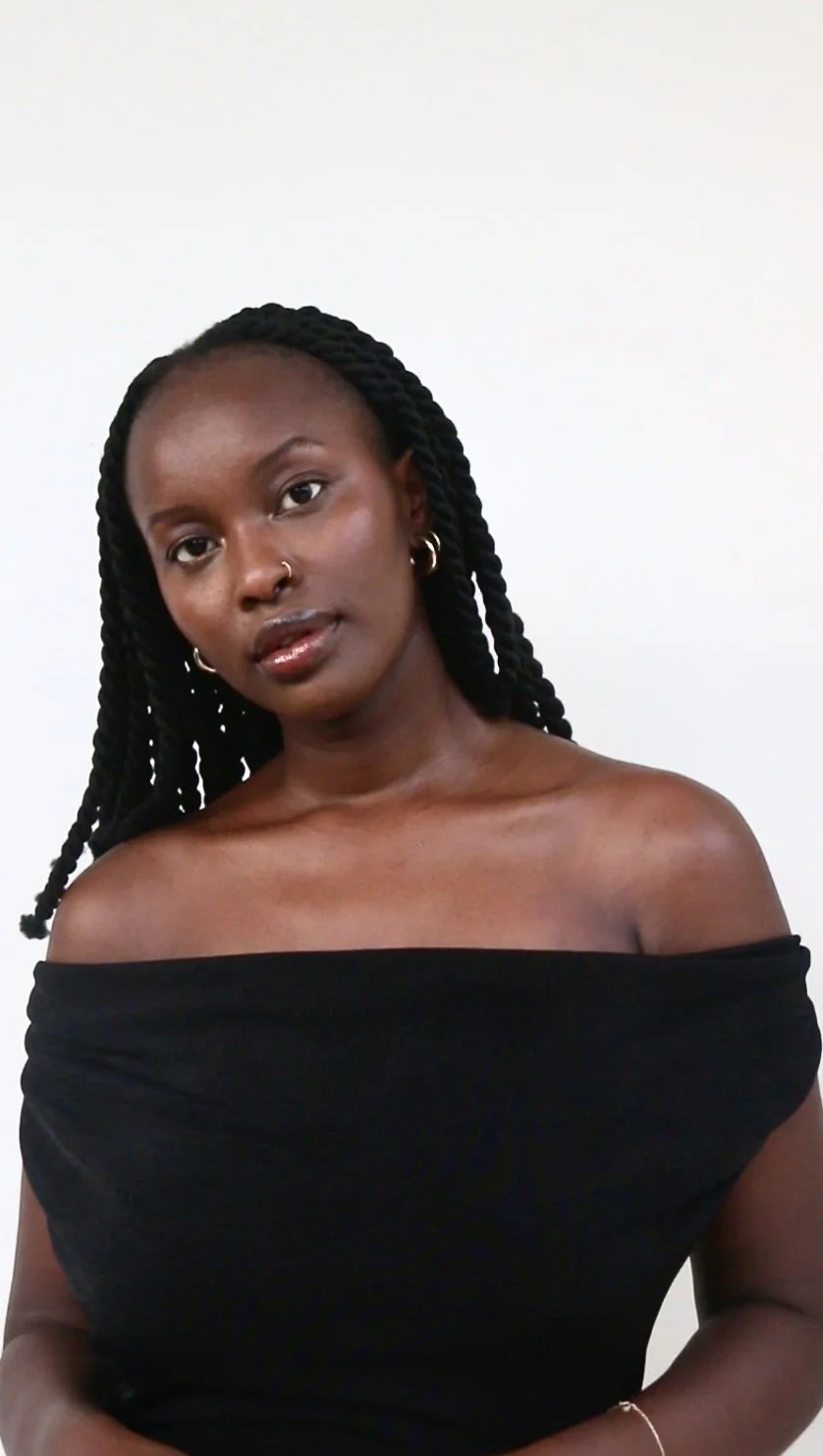
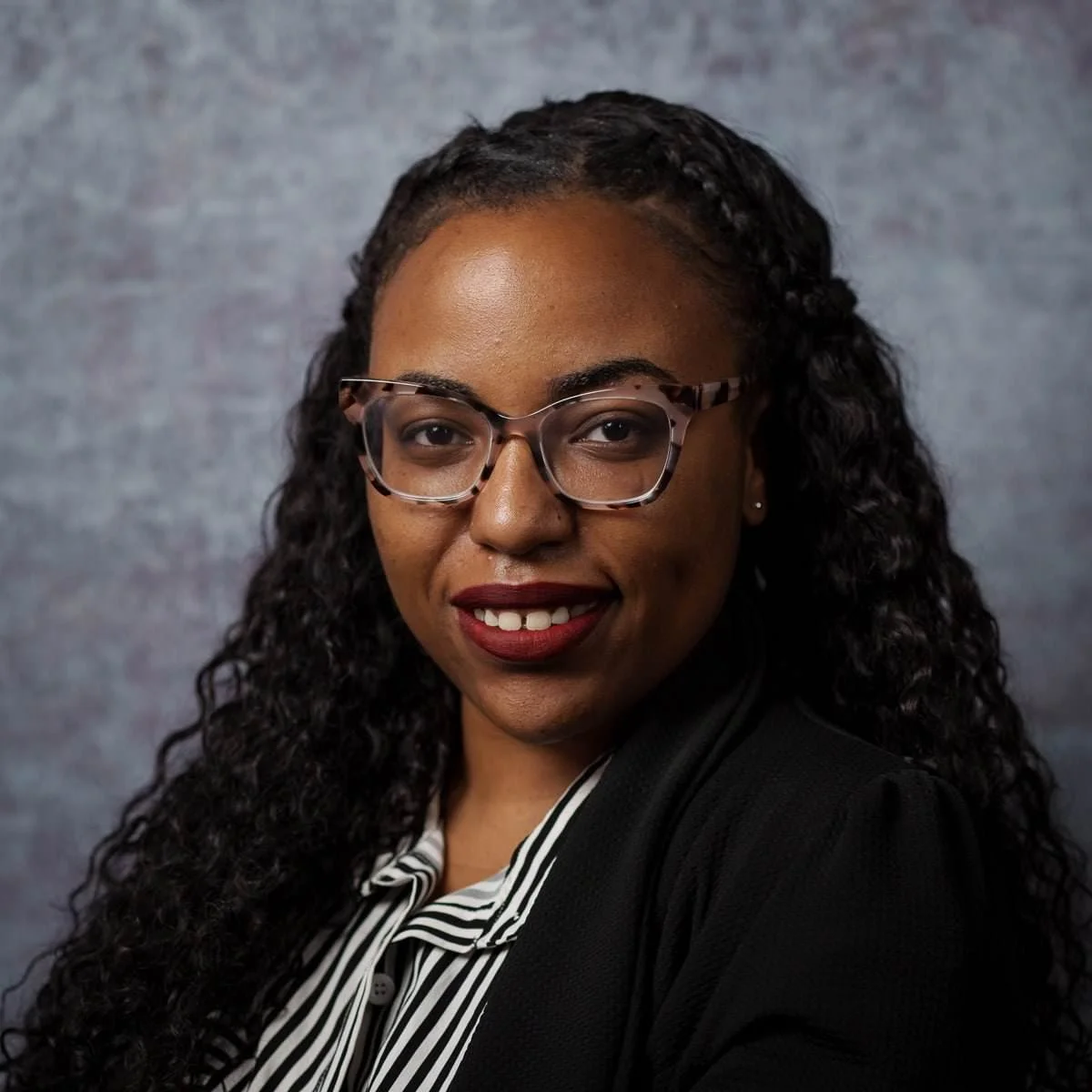
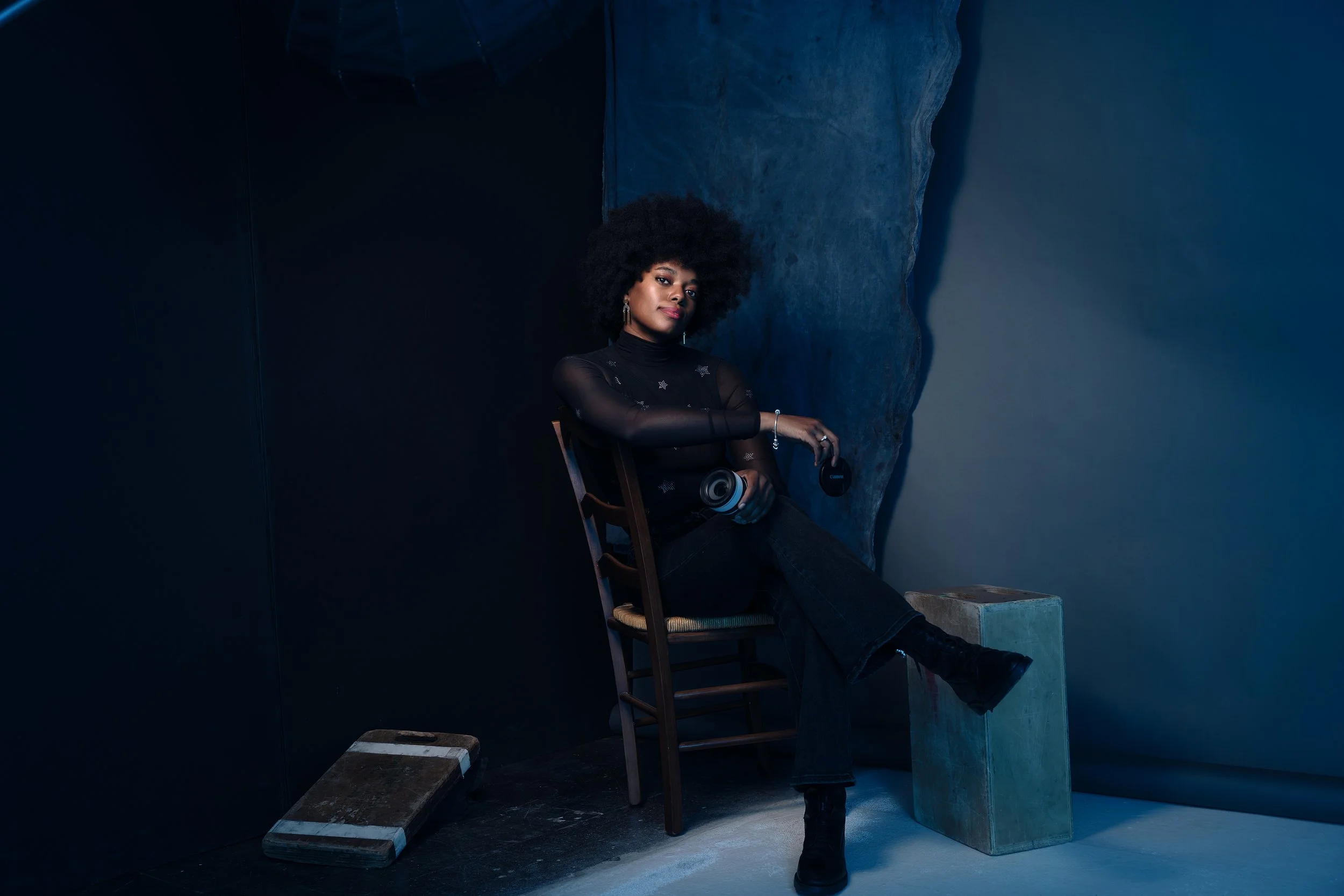
Quarterly grants for Black women photographers worldwide with $2,500 cash and Nikon Z6III equipment.
$2,500Max Award
Grants For Individuals
Grants for Artists & Writers
Grants For Minority
Grants For Native Americans & Alaska Natives
Grants For Women
Imran Ahmad
Written by
Reviewed by
Your next step
See what this grant would take before you commit
Review your fit first, then choose the level of help you want. You can start with an eligibility assessment, talk through the opportunity with an expert, or get full application support.
The Black Women Photographers x Nikon Grant Program changed its entire structure for 2026, and if you’re working off what you heard about previous cycles, you’re misinformed. The old $50K annual pool with multiple award tiers is gone. In its place: four quarterly grants of $2,500 each plus a Nikon Z6III 24-70mm f/4 kit, awarded one per quarter throughout the year. This isn’t just a format tweak. It changes when you should apply, what you’re competing against, and whether waiting for a later quarter might actually strengthen your chances.
Past winners didn’t just get money. Andriana Ortiz was hired by the Clinton Foundation through the BWP directory months after receiving her grant. Morgan Payne built a gallery celebrating families with autism. The grant opens doors. But you have to understand what reviewers are actually evaluating to walk through them.
Photography GrantBlack Women PhotographersNikon Equipment
Not sure if you qualify? The eligibility rules for this grant contain some ambiguity around community membership that we’ll unpack below. Use our eligibility checker to get a quick read on your fit, then decide whether to proceed with an application or explore other opportunities.
Eligibility Check
Eligibility for Black Women Photographers x Nikon Grant 2026 Cycle
Answer a few guided questions. Your responses are matched to this grant’s criteria in real time.
Ready to check your eligibility?
We’ll guide you through a short, structured flow and instantly evaluate fit for this opportunity.
Eligible
You Appear Eligible
Based on your answers, you meet the core requirements for this grant.
Recommended after eligibility
You qualify. Now make sure the application is worth sending.
Eligibility only tells you that you can apply. It does not catch weak answers, missing proof, confusing budget details, or language that makes reviewers hesitate.
This Grant Isn’t the Right Fit. Your Best One Might Be Two Clicks Away.
Missing one criterion for Black Women Photographers x Nikon Grant 2026 Cycle doesn’t mean you’re out of options — it means this grant wasn’t designed for your profile. Our expert research team identifies the grants built specifically for businesses like yours, across 500+ active opportunities.
Basic Match
$125
One-time research
A list of 5 grants only
Basic eligibility matching based on industry & location
Standard funding amount range verification
Primary criteria alignment check
Most Popular
Advanced Match
$145
One-time research
A list of 7 grants only
Advanced eligibility matching with business model analysis
Deep competitive advantage assessment
Innovation & impact potential matching
Market fit & growth trajectory alignment
Premium Match
$175
One-time research
A list of 10 grants only
AI-powered deep-match algorithm analysis
Historical success pattern matching
Priority sector & focus area alignment
Advanced sustainability impact matching
Strategic vision & long-term goals alignment
Preparing secure checkout…
✓
Order Confirmed
Your grant research order is placed. Our team will deliver your personalised report within 3–5 business days. Check your email for confirmation.
Auto-advances after each answer. Use Back to revise.
If you’re eligible: The next step isn’t jumping to the donor’s application form. It’s making sure your project concept and portfolio align with what BWP reviewers actually fund. Our team reviews your materials against this program’s specific criteria before you commit hours to writing.
If you’re unsure: The community requirement is genuinely ambiguous. Schedule a live 1-on-1 consultation with a grant expert to talk through your situation. We’ve tracked this program across multiple cycles and can help you determine whether to apply now, build your community engagement first, or target a later quarter.
If you’re ineligible: This grant serves a specific demographic. But other photography and small business grants might fit your situation. Browse related opportunities or let our matching tool find options aligned with your profile.
What Actually Changed
Previous BWP x Nikon cycles operated as a single annual program. One application window, one pool of $50,000, multiple winners at different funding levels. You’d see awards of $10,000, $5,000, and $3,000, plus separate gear packages including Z8 bodies and various lens combinations. The structure was straightforward but created a bottleneck. Everyone applied at once. Winners waited months to receive funds.
2026 works differently.
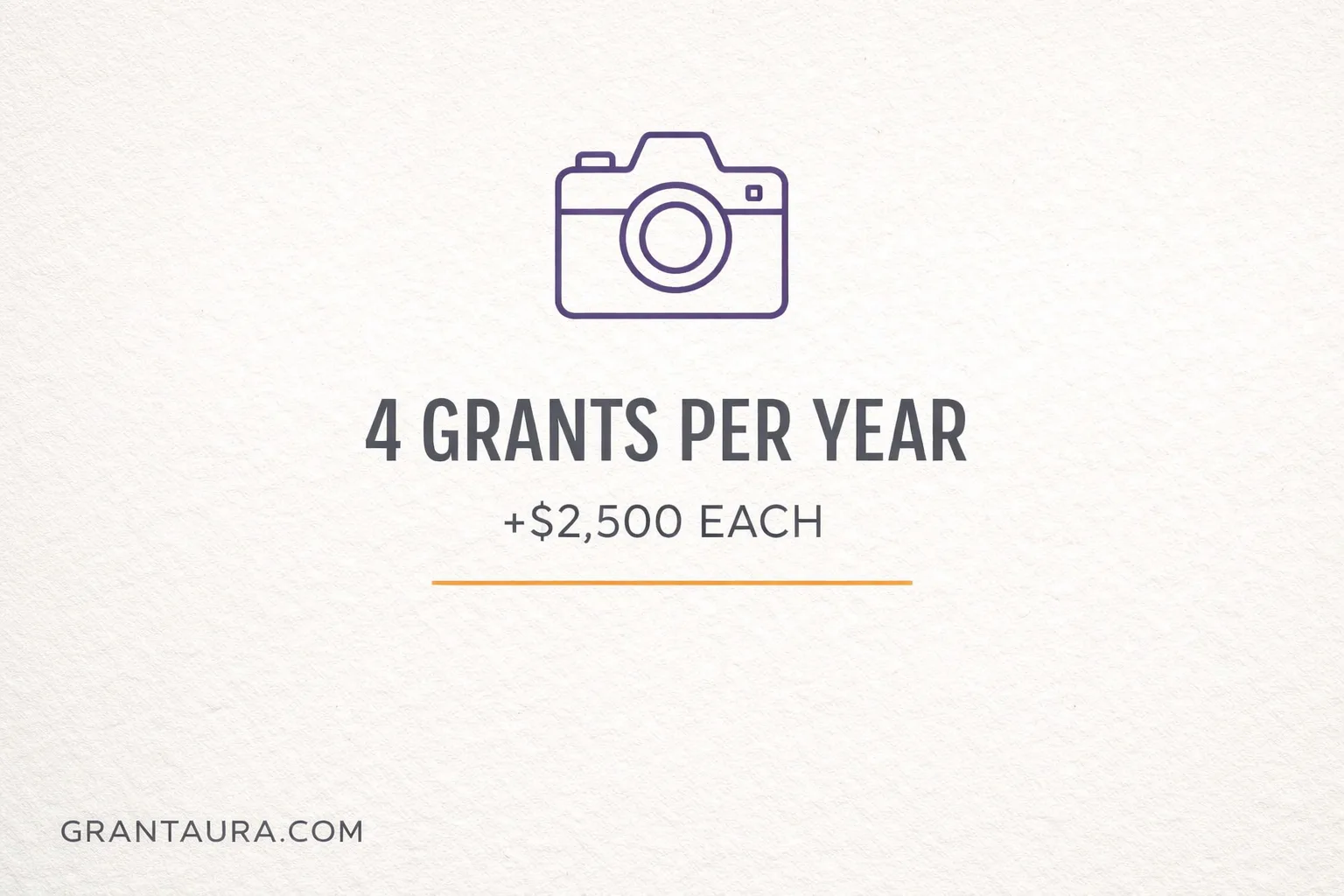
The program now runs on a quarterly cycle. Each quarter, one photographer receives $2,500 in cash and a Nikon Z6III 24-70mm f/4 kit. Four winners per year. The total annual pool is smaller in cash terms – $10,000 plus four camera kits – but the competition dynamics shifted. You’re no longer competing against every applicant in a single massive pool. You’re competing against whoever applies in your specific quarter.
What does this mean for strategy? If your project isn’t ready, you’re not forced to rush for a single annual deadline. You can target Q2, Q3, or Q4 instead. But here’s the trade-off: each quarter probably has fewer applicants, which could mean less competition, but it could also mean reviewers are more selective because they’re choosing fewer people. We don’t have data on application volume per quarter because BWP doesn’t publish it. What we do know is that the quarterly structure rewards applicants who time their submission to match project readiness rather than chasing a single deadline.
Aspect
Before 2026
2026 Structure
Award frequency
Annual single cycle
Quarterly four cycles
Award amount
Tiered $3000-$10000
Fixed $2500 per quarter
Gear packages
Multiple kits various models
Z6III 24-70mm f/4 kit
Competition pool
All applicants together
Applicants per quarter
Strategy implication
Single deadline pressure
Time submission to readiness
The application deadline for Q1 is `December 22, 2026`. Deadlines for subsequent quarters haven’t been announced yet. We’ll update this page when they’re confirmed.
Who This Grant Serves
The official eligibility statement reads: “Applicants must be photographers who are part of the Black Women Photographers community.” That’s it. One sentence. No further definition. So what does it mean in practice?
Black Women Photographers is a global community and directory founded by Polly Irungu in 2020. It maintains a database of over 2,100 Black women and African creatives across 60+ countries. The community offers educational resources, networking events, and a directory that brands and publications use to hire photographers. Being “part of” the community can mean several things: following BWP on social media, participating in their events, being listed in their directory, or simply engaging with their content and mission.
Previous cycles explicitly stated that both members and non-members could apply. The 2026 materials don’t include that language, but they also don’t state that formal membership is required. Our interpretation: you should demonstrate some form of community engagement before applying. Follow BWP’s Instagram account. Join their newsletter. If you’re eligible for directory listing, submit your portfolio there. The application doesn’t ask for proof of membership, but reviewers will notice if you’re completely disconnected from the community you’re asking to support you.
Beyond the community dimension, this grant serves photographers at a specific career stage. The application requires a project proposal, a budget breakdown, a sustainability statement, and a timeline. You can’t complete those sections if you’re a hobbyist without an active practice. But you also don’t need to be an established professional with major editorial contracts. The sweet spot is photographers who are producing consistent work, have a clear sense of what they want to build, and can articulate how $2,500 plus professional gear moves them forward.
Geographic eligibility is genuinely global. Winners have come from the United States, Nigeria, Kenya, Mexico, Ethiopia, Egypt, Germany, and the United Kingdom. Your location doesn’t disqualify you. But your ability to receive funds and gear might depend on local banking and shipping logistics – those details aren’t specified in the application materials.
Career Stage Fit
Past winners have included photographers working on documentary projects, portrait series, gallery concepts, and business expansion. The common thread isn’t project type – it’s clarity. Winners knew exactly what they wanted to do with the resources and could explain it convincingly.
Required Steps
Photographers producing consistent portfolio-ready work
Artists with a specific project or business need that fits $2500 scale
Applicants who can articulate a clear trajectory beyond this single grant
Creatives willing to engage with BWP community not just receive funds
What the Application Asks
The BWP application form isn’t long. But every field is evaluated, and the prompts signal what reviewers care about. Let’s walk through each component.
Portfolio Link
You’ll share a link to your website or an accessible PDF. This is your first impression. Reviewers need to see consistent visual style, technical competence, and evidence that you’re actually working as a photographer – not just someone who decided to apply for free money. A portfolio with 15-20 strong images is better than 50 mixed-quality shots. Curate deliberately. And test your links from an incognito browser before submitting – broken or password-protected portfolios stop your application cold.
Background Statement
The prompt asks: “Share your background, your journey in visual arts, and what has shaped your creative practice.” This isn’t a biography for its own sake. Reviewers are assessing whether you have the foundation to execute whatever you’re proposing. A photographer who’s been working for five years but never completed a project will raise different concerns than someone who’s newer but has already produced coherent bodies of work. Don’t pad this section with irrelevant personal details. Focus on the experiences that directly inform your current practice.
Project or Business Proposal
The prompt: “Describe the project you are seeking support for or how you plan to use the grant to support your creative business.” Notice the either/or structure. You can propose a specific visual project – a documentary series, a portrait collection, an exhibition concept – or you can frame this as business support – upgrading equipment, funding marketing, covering studio costs. Both paths are valid. But you need to commit to one and develop it fully.
Proposals that try to be both project and business support often read as unfocused. If you’re proposing a project, explain what you’ll create, who it serves, and why it matters. If you’re proposing business support, explain how this specific investment strengthens your practice long-term. The grant is small enough that you should be able to articulate exactly where the money goes.
Budget Breakdown
The prompt asks: “How will you utilize the $2,500 cash award and the Nikon Z6III 24-70mm f/4 lens kit? Provide a brief breakdown of how the funds will be allocated.” Reviewers want specificity. “Production costs” is vague. “Travel to document three Black maternal health clinics in Georgia, including transportation, lodging for three nights, and access fees” is specific. The gear component matters too. If you’re proposing a project that requires long telephoto work, explain why the 24-70mm zoom still helps you. Or explain what you’ll do with your current gear once you have the Z6III as your primary body.
Expert Tip
Budget sections that fail often suffer from two problems: they’re too vague about costs, or they’re unrealistic about what $2,500 covers. Research actual expenses. Quote travel costs. Price out specific equipment. A budget that shows you’ve done homework signals competence before reviewers even evaluate your proposal.
Impact Statement
The prompt: “What impact will this grant have on your creative practice and/or business growth? How will it help you reach the next level in your career?” This is where many applicants under-explain. They write generic statements about “taking their work to the next level” without defining what that level is. Be specific. If the next level for you means booking your first paid editorial assignment, say that. If it means completing a documentary you’ve been shooting for two years, explain how this grant specifically enables that completion. Reviewers want to see that you’ve thought about your trajectory and can identify concrete milestones.
Sustainability Statement
The prompt: “What foundations do you currently have in place to sustain your creative work beyond this grant?” This is the section that separates serious applicants from people chasing one-off funding. Reviewers want to know that their investment will outlast the grant period. If you have no current revenue, no clients, and no plan beyond this $2,500, that’s a red flag. If you’re building toward something but need this specific boost to get there, that’s compelling. Be honest about where you are. A photographer who’s generated $15,000 in revenue over the past year but needs equipment to take on larger projects reads as more credible than someone claiming they’ll build a sustainable practice from nothing.
Timeline
The prompt: “What is your anticipated timeline for implementing your project or business plan, and what measurable outcomes do you hope to achieve?” This isn’t asking for a vague “six months” estimate. It’s asking for a plan. If your project involves travel, when will you go? If it involves production, what are the phases? If it’s business support, when will you purchase equipment and how will you measure the impact? A timeline that’s too aggressive (complete a documentary in two months) signals naivete. A timeline that’s too passive (explore possibilities over the next year) signals lack of commitment. Find the realistic middle.
What Winners Actually Proposed
Past winners give you the clearest signal of what BWP reviewers value. These aren’t hypothetical examples – they’re actual funded projects.
Dayana Chege and Bohetic Aladin received the top award for a documentary exploring sickle cell anemia in African communities and the diaspora. The project examined healthcare disparities, survival strategies, and the impact of the disease on relationships. This wasn’t a personal photo essay. It was a researched documentary with clear social relevance.
Morgan Payne proposed building a gallery celebrating families with autism, drawing on her experience as a special needs parent. Her application connected personal experience to community impact. She wasn’t just asking for money to take photos. She was asking for support to create a platform for underrepresented families.
Grace Ekpu received funding for a documentary on healthcare access for people living with sickle cell anemia, focusing on Africa and the diaspora. Like Dayana Chege’s project, this combined visual storytelling with a specific social issue and a defined community focus.
Tiana Duarte-Kargbo was selected for a project based in Sierra Leone and New York. The geographic span suggests reviewers value photographers working across contexts, not just in one location.
Common threads: clear project definition, community impact, specific subject matter, and the ability to articulate why this particular story matters now. Projects that combine visual quality with social relevance consistently rise to the top.
But business-focused proposals have also won. Aspen Evans applied to update her equipment to continue as a portrait photographer. Lo Braden received gear support that enabled her to take on higher-profile gigs. The program explicitly allows both paths. The key is commitment. A weak project proposal loses to a strong business proposal every time.
Strategic Advice for Your Application
Community Engagement Before Applying
The ambiguity around “part of the BWP community” isn’t a barrier. It’s an opportunity. Reviewers are humans who notice when applicants have engaged with their work. Follow Black Women Photographers on Instagram. Comment on their posts. Share their content. If you’re eligible for the directory, submit your portfolio there. When reviewers recognize your name from genuine community interaction, you’ve already established credibility before they read your proposal.
Don’t fake this. Engagement that’s obviously performative – following the day before the deadline, leaving generic comments – reads as manipulative. Build real connection over time. Even if you’re applying for Q1, start engaging now. Your Q2, Q3, or Q4 application will be stronger for it.
Framing Your Sustainability Statement
This is the most underestimated section. Reviewers want to see that you’re building something lasting, not just executing one project. But many applicants misinterpret this as requiring an elaborate business plan. You don’t need a five-year projection. You need to show current foundations.
If you have clients, name them. If you have partnerships with organizations, describe them. If you have revenue from photography, state it. If you’re early in your career and don’t have these yet, be honest about that – then explain what you’re doing to build them. A sustainability statement that says “I’m developing relationships with local nonprofits to document their work” is stronger than one that pretends relationships you don’t have.
Choosing Project vs. Business Focus
Past winners have succeeded with both paths. The decision depends on where you are in your practice and what would have the most impact. If you have a compelling story to tell that requires funding to execute, propose a project. If your practice is constrained by equipment, marketing, or operational costs, propose business support. The key is committing fully to one path and developing it with specificity.
Do’s
Choose one path and develop it fully
Be specific about how funds will be used
Connect your proposal to your existing practice
Show how this grant fits your trajectory
Don’ts
Propose both a project and business support vaguely
Claim you'll do everything with $2500
Write a sustainability statement with no current foundations
Apply without any community engagement
Budget Credibility
The budget section is where applicants reveal whether they’ve thought seriously about execution. A budget that allocates $800 to “travel” without explaining where, when, or how, suggests you haven’t planned. A budget that says $450 for round-trip airfare to Atlanta, $180 for two nights lodging, and $120 for ground transportation suggests you’ve actually looked up costs.
The Nikon Z6III 24-70mm f/4 kit is worth approximately $3,000-3,500 at retail. You don’t need to assign a dollar value to it in your budget, but you should explain how it fits your work. If you’re currently shooting on an older DSLR, the Z6III represents a significant upgrade that could enable work you can’t currently take on. If you’re already shooting mirrorless, explain why this specific kit matters – backup body, different focal length, or replacement for aging equipment.
What Happens After You Win
The grant doesn’t end with the award. Past winners report career trajectories that extend far beyond the initial funding. Andriana Ortiz, a 2024 recipient, was hired by the Clinton Foundation through the BWP database to photograph the Clinton Global Initiative Annual Meeting. That opportunity came months after receiving the grant. Aspen Evans shot for The Washington Post after being contacted through the BWP directory. The grant opens doors. But you have to be in the directory, and you have to be producing work that makes organizations want to hire you.
Grant recipients
Who received this grant
These recipients were confirmed through official grant program records.
Received the top BWP x Nikon award for Bridging Pain, a documentary project on sickle cell anemia and healthcare access across Africa and the diaspora.
The visibility component is genuine. BWP promotes winners through their channels, which reach photo editors, art directors, and brands looking to hire Black women photographers. This isn’t guaranteed work. It’s access. What you do with that access depends on your portfolio, your professionalism, and your follow-through.
Timeline and Next Steps
Stage
Timing
Q1 application deadline
December 22, 2026
Winner notification
Not specified
Award distribution
Not specified
Q2-Q4 deadlines
Not yet announced
The Q1 deadline is `December 22, 2026`. If you’re reading this before that date, you have a window to prepare. If you’re reading this after, subsequent quarters remain open – we’ll update this page when BWP announces those deadlines.
Because the quarterly structure is new for 2026, we don’t have historical data on how quickly winners are notified or how long funds and gear take to arrive. Earlier annual cycles announced winners approximately one month after the deadline, but that timeline may not apply to quarterly review. We’re marking this as unknown rather than speculating.
Frequently Asked Questions
Q: Do I need to be a formal BWP member to apply?
A: The 2026 materials state applicants must be “photographers who are part of the Black Women Photographers community.” They don’t define “community” formally or require proof of membership. Previous cycles explicitly allowed both members and non-members. Our guidance: demonstrate genuine community engagement before applying – follow BWP’s channels, participate in their events, consider directory listing if you’re eligible. You don’t need to be on a membership roster. But you should be able to show connection to the community you’re asking to support you.
Q: Can I apply for both project funding and business support?
A: The application prompts present these as alternatives: “describe the project you are seeking support for OR how you plan to use the grant to support your creative business.” Choose one. Proposals that try to be both project and business support often read as unfocused. Commit to a clear path and develop it fully.
Q: Is the gear or the cash more valuable?
A: The Nikon Z6III 24-70mm f/4 kit retails for approximately $3,000-3,500, making the gear component worth more than the cash award. But value depends on your situation. If you already own a Z6III, the gear is less useful than if you’re shooting on an older body. If you need the cash for travel, production, or marketing, the gear doesn’t help those costs. The combined package is designed to address both equipment needs and project funding simultaneously.
Q: What if I miss the Q1 deadline?
A: Subsequent quarters remain open. BWP hasn’t announced Q2, Q3, or Q4 deadlines yet. Missing Q1 doesn’t disqualify you from later cycles. Use the extra time to strengthen your portfolio, build community engagement, and refine your proposal.
Q: How competitive is this grant?
A: BWP doesn’t publish application volume or acceptance rates. We know the program has run multiple cycles and awarded dozens of photographers. The new quarterly structure means fewer winners per cycle than the old annual model. Competition is real, but it’s concentrated within each quarter rather than a single annual pool. Your odds depend on the strength of your proposal relative to others in your cycle.
Q: I’m not sure my project is strong enough. Should I apply anyway?
A: Uncertainty about your proposal strength is exactly when to submit an assessment before committing to the full application. Our reviewers can evaluate whether your concept aligns with what BWP typically funds, identify weaknesses in your framing, and suggest ways to strengthen your proposal. The cost of applying isn’t just the time you spend writing – it’s the opportunity cost of not improving your materials first.
Glossary
BWP: Black Women Photographers, a global community and directory founded by Polly Irungu in 2020 to increase visibility and hiring opportunities for Black women and African creatives in photography.
Community engagement: Active participation in BWP’s ecosystem through following social channels, attending events, joining the directory, or otherwise demonstrating connection to the organization’s mission and network.
Directory listing: BWP’s public database of Black women photographers, used by brands, publications, and organizations to discover and hire creatives. Inclusion is available to eligible photographers.
Documentary photography: A genre focused on documenting reality, often with social or journalistic intent. Several past BWP winners have proposed documentary projects on specific communities or issues.
Gear package: The Nikon Z6III 24-70mm f/4 kit awarded to each quarterly winner, consisting of a professional full-frame mirrorless camera body and versatile zoom lens.
Impact statement: Application section asking how the grant will affect your creative practice or business growth. Winners articulate specific, measurable outcomes.
Portfolio: Curated collection of 15-20 images demonstrating your visual style, technical skill, and consistency. Required for application.
Project proposal: One of two application paths, focused on funding a specific visual project such as a documentary series or exhibition concept.
Quarterly cycle: 2026 grant structure where awards are made four times per year rather than in a single annual cycle. Each quarter has its own deadline and winner.
Sustainability statement: Application section asking what foundations support your practice beyond this grant, including clients, partnerships, revenue streams, and long-term strategy.
Z6III: Nikon’s professional full-frame mirrorless camera, the current model included in the 2026 grant package. Predecessor models (Z6II, Z6) appeared in earlier cycles.
Related Grant Opportunities
If this grant isn’t the right fit, or if you want to compare options before committing to an application, explore these opportunities for Black women entrepreneurs and creatives.
Similar award scale and creative entrepreneur focus. Regional Pennsylvania eligibility provides a less competitive alternative for photographers building local practices.
Overlaps on Black women entrepreneur focus with mentorship component. Geographic difference serves Canadian applicants who may not qualify for US-centric programs.
Serves the same demographic of Black women entrepreneurs and creatives. Offers funding plus mentorship and business training, making it a natural alternative for photographers building sustainable practices.
The BWP x Nikon Grant application isn’t technically complex. The prompts are clear. The requirements are reasonable. But clarity doesn’t mean ease. The challenge isn’t understanding what to submit – it’s submitting something competitive. Most applicants will complete the form. Fewer will frame their proposal in a way that resonates with reviewers who’ve seen dozens of similar applications.
Grantaura’s application review service focuses on what the listing can’t do: evaluate your specific draft against this program’s actual selection patterns. We don’t re-explain eligibility. We don’t summarize requirements. We catch the phrasing choices, budget framings, and sustainability statements that weaken applications before they reach reviewers.
Important Note
This grant’s quarterly structure means you have multiple opportunities per year. If your Q1 proposal isn’t ready, strengthening it for Q2 is better than submitting something half-developed. Our reviewers can tell you whether your materials are competitive now or need more work before you commit time to the full application.
Application Review: Submit your draft proposal, budget, and sustainability statement. Our reviewers evaluate whether your framing signals alignment with BWP’s priorities – not whether your project is good, but whether reviewers will see it as fundable. You’ll receive specific feedback on phrasing, budget credibility, and impact statement clarity.
Strategic Consultation: If you’re uncertain whether to propose a project or business support, or how to frame your community engagement, schedule a live 1-on-1 consultation with a grant expert. We’ll talk through your specific situation and help you decide whether to apply now, build your materials further, or target a later quarter.
Ongoing Tracking: Quarterly deadlines mean this grant will appear in your planning multiple times per year. Add it to your Grantaura dashboard to receive deadline reminders and track your application status across cycles.
About the Author
Imran Ahmad is the founder of Grantaura and has helped secure funding for over 300 projects. He writes grant guides that prioritize honesty over hype – if a program isn’t worth your time, he’ll say so. His research process involves reading donor materials, tracking past winners, and identifying the gap between what applications ask and what reviewers actually evaluate. He’s available for one-on-one consultation if you need help deciding whether this grant fits your situation.
[
  {
    "url": "https://grantaura.com/grant/sage-and-boss-network-grant-program-for-black-women-entrepreneurs/",
    "custom_description": "Serves the same demographic of Black women entrepreneurs and creatives. Offers funding plus mentorship and business training, making it a natural alternative for photographers building sustainable practices."
  },
  {
    "url": "https://grantaura.com/grant/sheamoisture-dream-fund-canada/",
    "custom_description": "Overlaps on Black women entrepreneur focus with mentorship component. Geographic difference serves Canadian applicants who may not qualify for US-centric programs."
  },
  {
    "url": "https://grantaura.com/grant/pa-creative-entrepreneur-grant/",
    "custom_description": "Similar award scale and creative entrepreneur focus. Regional Pennsylvania eligibility provides a less competitive alternative for photographers building local practices."
  },
  {
    "url": "https://grantaura.com/grant/entreprenista-ecommerce-grant/",
    "custom_description": "Same $2,500 award scale targeting women entrepreneurs. Relevant for photographers whose practice includes e-commerce or product-based business models."
  }
]
We are your trusted grant application partners. You can navigate the entire grant application process with our expert guidance through this simple 5-step process.
300+ Projects
4.9/5 Rating
Expert Team
Step 1: Application Form
Fill out the “Apply for this grant” form with your information and grant requirements.
Step 2: Eligibility Assessment
Our grant experts will assess your eligibility and notify you via email.
Step 3: Expert Consultation
A dedicated grant expert will be assigned to discuss next steps for your application.
Step 4: Application Submission
Our expert will help you complete and submit your application with all required materials.
Step 5: Final Decision
The grant committee will make their decision and notify successful applicants.
Hi there 😊 I’m Imran Ahmad, the founder of Grantaura. I normally examine funding opportunities through both newer research methods and older, manual verification methods because official webpages, application forms, FAQs, archived materials, etc. do not always tell the same story.
Because I believe that “the fine print usually only shows up when you’re stubborn enough to check twice.”
You are on Black Women Photographers x Nikon Grant 2026 Cycle. I can help check fit, explain the December 22, 2026 deadline, compare effort, or decide whether Grantaura application support makes sense for this grant.
No chat history in this browser yet.
You are in queueIAGA
A Grantaura colleague can review this conversation. You can keep chatting with the assistant while you wait.
Tell us about yourself
0/1000
i
The information you add here helps the assistant answer this browser session more clearly. Close this window to continue the chat.
Check your eligibility
Check your saved details, answer the grant questions, and see your next steps.
Grant team review
Saved details where available
Free assessment
Save option
Save this grant application for later
Send yourself a private link so you can return to this grant form with your details ready.
Keep your post public. Our team will verify the link before processing your assessment. If the post is deleted or made private after submission, your free assessment will be void.